Fixing a rip in jeans with a Sewing Machine is one of the most practical and durable ways to extend the life of denim clothing. Compared with hand stitching, a jeans Sewing Machine provides stronger seams, cleaner results, and better resistance to daily wear. Whether you are repairing a small tear at home or handling heavy denim in a workshop, choosing the right sewing machine for jeans and using proper techniques makes all the difference.
Why Use a Sewing Machine to Repair Jeans?
Denim is a thick and tightly woven fabric. Repairing it by hand can be time-consuming and less durable. A sewing machine for denim fabric is designed to handle multiple fabric layers and dense fibers without skipped stitches or broken needles.
For home users, many heavy duty sewing machines for jeans are powerful enough to handle basic repairs. In factories or tailoring studios, an industrial denim sewing machine offers higher speed, consistency, and long-term durability.
Choosing the Right Sewing Machine for Jeans Repair
Before repairing a rip, it’s important to use a suitable denim sewing machine. Here are some common options:
Sewing machine for denim jeans (home use)
Ideal for personal repairs and DIY projects. Look for strong motor power and adjustable stitch length.
Best sewing machines for jeans
Usually feature metal frames, high presser foot lift, and denim-compatible needles.
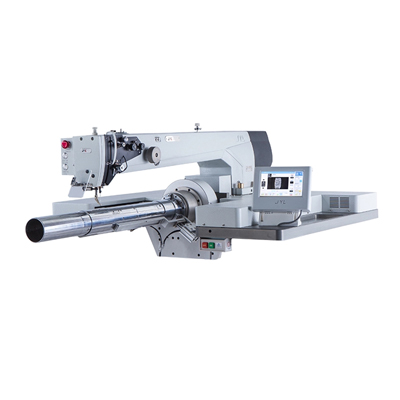
Industrial Sewing Machine for jeans
Designed for mass production and thick materials, making it the best industrial sewing machine for denim in professional environments.
Jeans machine with cutting support
In manufacturing, a jeans cutting machine is often used before stitching to ensure clean edges and accurate patch sizing.
Selecting the Best Sewing Machine For Denim jeans ensures smoother operation and a more professional repair finish.
Tools and Materials You’ll Need
To fix a rip in jeans effectively, prepare the following:
A reliable sewing machine for jeans
Denim or cotton patch fabric
Denim needle (size 90/14 or 100/16)
Strong polyester or denim thread
Scissors or rotary cutter
Pins or fabric clips
For thicker jeans, heavy duty sewing machines for jeans perform best when stitching over reinforced areas.
Step-by-Step: How to Fix a Rip in Jeans with Sewing Machine
Step 1: Prepare the Rip
Trim loose threads around the torn area. If the rip is large, cut a patch using a jeans cutting machine or scissors, making sure it is slightly larger than the damaged area.
Step 2: Position the Patch
Place the patch on the inside of the jeans. Secure it with pins or fabric clips so it does not shift during sewing.
Step 3: Set Up the Sewing Machine
Install a denim needle and select a straight stitch or zigzag stitch. A jean sewing machine with adjustable stitch length works best for reinforcing tears.
Step 4: Sew Over the Rip
Slowly sew back and forth across the rip, covering the damaged area completely. This technique redistributes stress and strengthens the fabric. A sewing machine for denim jeans ensures even stitching through multiple layers.
Step 5: Reinforce and Finish
Go over high-stress points again for added strength. Trim excess threads and press the area flat for a clean finish.
Home Sewing vs. Industrial Denim Sewing
For occasional repairs, the best sewing machines for denim used at home are sufficient. However, tailors and garment factories rely on an industrial sewing machine for denim due to its speed, precision, and ability to work continuously on thick seams.
In production lines, a denim sewing machine is often paired with a jeans cutting machine to improve efficiency and consistency.
Tips for Better Denim Repairs
Use slower speed when sewing thick seams
Increase stitch length slightly for strong reinforcement
Test stitches on scrap denim first
Choose best sewing machines for jeans with strong motor torque
These tips help prevent needle breakage and skipped stitches, especially when using sewing machines for denim.
Learning how to fix a rip in jeans with a sewing machine is a valuable skill for both home users and professionals. With the right sewing machine for jeans, proper tools, and correct technique, denim repairs can be strong, neat, and long-lasting. Whether you rely on a home jeans sewing machine or an industrial denim sewing machine, investing in the right equipment ensures reliable results and extends the life of your denim garments.