In the textile and garment industry, efficiency, precision, and automation have become essential for maintaining competitiveness. Traditional sewing methods often rely heavily on operator skill and manual control, which can lead to inconsistencies and slower production speeds. With the rapid development of intelligent manufacturing, Programmable Sewing Machines have emerged as a revolutionary solution that integrates digital control, automation, and advanced sewing technology.
From apparel factories to automotive upholstery production, programmable systems—such as the industrial Pattern Sewing Machine, programmable quilting machine, and programmable embroidery machine—are helping manufacturers achieve higher efficiency, superior quality, and scalable production.
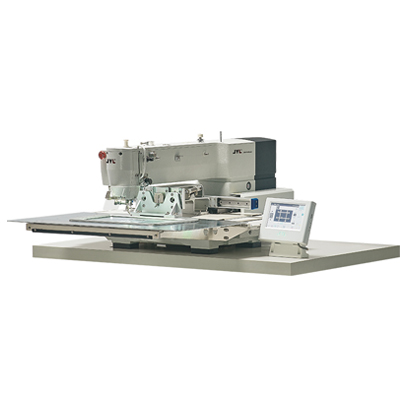
Programmable Sewing Machines are advanced industrial sewing machines equipped with computerized control systems that allow users to pre-set stitching patterns, sewing paths, and production parameters. Instead of manually guiding the fabric, operators can program the machine to automatically perform complex stitching operations with high precision.
These machines use digital pattern input, servo motors, and intelligent motion control systems to ensure accurate and repeatable sewing results. They are widely used in industries that require complex sewing patterns or consistent stitching quality.
Typical applications include:
By automating sewing tasks, programmable machines significantly reduce labor costs while improving productivity and product consistency.
Key Features of Industrial Pattern Sewing Machines
An industrial pattern sewing machine is designed specifically to stitch predefined patterns automatically. These machines are widely used in industries that require repetitive pattern stitching, such as bags, shoes, and upholstery products.
1. High Precision Pattern Control
Industrial pattern sewing machines allow operators to upload digital sewing patterns through a control panel or computer interface. The machine then follows the programmed path precisely, ensuring every product is sewn identically.
2. Automated Fabric Handling
Advanced machines include automated clamping systems that hold the fabric in place during stitching. This ensures stability and accuracy, even for complex designs.
3. Increased Production Efficiency
Compared with traditional industrial sewing machines, programmable systems can significantly increase productivity by eliminating manual guidance and reducing operator fatigue.
4. Multi-Function Capability
Many programmable machines can perform multiple functions, including:
These features make them ideal for modern textile manufacturing.
Applications of Programmable Embroidery Machines
A Programmable Embroidery Machine Manufacturer typically designs equipment capable of producing intricate decorative designs with high accuracy and speed.
Programmable embroidery systems are widely used in:
Fashion apparel
Sportswear branding
Promotional products
Corporate uniforms
Home textiles
A Sewing Machine With Programmable Embroidery allows manufacturers to create detailed logos, patterns, and artistic designs automatically. The operator simply uploads the embroidery design file, and the machine handles the entire stitching process.
Benefits of Programmable Embroidery Machines
High design accuracy
Fast embroidery speeds
Consistent stitch quality
Reduced labor requirements
Easy pattern customization
These advantages make programmable embroidery technology essential for modern apparel branding and customized textile products.
Programmable Quilting Machines in Textile Manufacturing
Quilting requires complex stitching patterns that join multiple layers of fabric together. Traditionally, quilting was time-consuming and labor-intensive, but programmable technology has revolutionized the process.
A Programmable Quilting Machine allows manufacturers to produce uniform quilt patterns quickly and efficiently.
Main Features
Computerized pattern control
Multi-needle stitching capability
Large working area for large fabrics
High-speed operation
These machines are widely used in the production of:
Bedding products
Mattress covers
Upholstery fabrics
Decorative home textiles
With programmable control, manufacturers can easily change quilting designs without mechanical adjustments.
Advantages of Programmable Long Arm Quilting Machines
For large-scale quilting applications, the Programmable Long Arm Quilting Machine is the ideal solution. These machines feature extended frames and large working areas that allow operators to quilt oversized materials such as blankets, bedspreads, and industrial fabrics.
Key Advantages
1. Large Sewing Area
Long-arm machines can handle large quilts and textile panels that standard machines cannot accommodate.
2. Automated Pattern Stitching
The programmable system guides the sewing head across the fabric to create complex patterns automatically.
3. Improved Production Speed
Automated quilting significantly increases production efficiency compared to manual quilting.
4. Reduced Operator Skill Requirements
Because the machine follows programmed designs, operators do not need advanced quilting skills.
This technology is widely used in large bedding and home textile factories.
Why Manufacturers Are Investing in Programmable Sewing Machines
Modern textile factories are increasingly adopting Programmable Sewing Machines Sales solutions to upgrade their production capabilities.
1. Improved Production Efficiency
Automation reduces manual work and allows factories to produce more products in less time.
2. Consistent Product Quality
Programmable control ensures every product meets the same stitching standards.
3. Lower Labor Costs
One operator can manage multiple machines simultaneously, reducing workforce requirements.
4. Flexible Production
Manufacturers can quickly switch between different sewing patterns by simply changing the program.
5. Reduced Material Waste
Precise stitching minimizes fabric errors and improves material utilization.
Choosing the Right Programmable Sewing Machine
When selecting a programmable sewing solution, manufacturers should consider several important factors.
Production Requirements
Different machines are designed for different applications. For example:
Industrial pattern sewing machines are best for repeated pattern stitching.
Programmable embroidery machines are ideal for decorative designs.
Programmable quilting machines are used for layered textile stitching.
Machine Precision
High-quality machines should offer precise servo control and stable sewing performance.
Software Compatibility
Modern machines should support multiple design formats and easy pattern programming.
After-Sales Support
Reliable technical support and spare parts availability are essential for maintaining long-term machine performance.
The Future of Programmable Sewing Technology
The textile industry is rapidly moving toward smart manufacturing and digital production systems. Future industrial sewing machines will likely integrate technologies such as:
Artificial intelligence pattern recognition
IoT machine monitoring
Automated fabric feeding systems
Cloud-based production management
These innovations will further enhance the capabilities of programmable sewing machines, allowing manufacturers to achieve even higher levels of automation and efficiency.
Programmable sewing technology is transforming the textile and garment industry by combining precision, automation, and digital control. From industrial pattern sewing machines to programmable embroidery machines and programmable long arm quilting machines, these advanced systems enable manufacturers to produce high-quality textile products efficiently and consistently.
As demand for customized and high-precision textile products continues to grow, programmable sewing equipment will play an increasingly important role in modern manufacturing. Companies that invest in advanced programmable sewing solutions will be better positioned to improve productivity, reduce costs, and remain competitive in the global textile market.